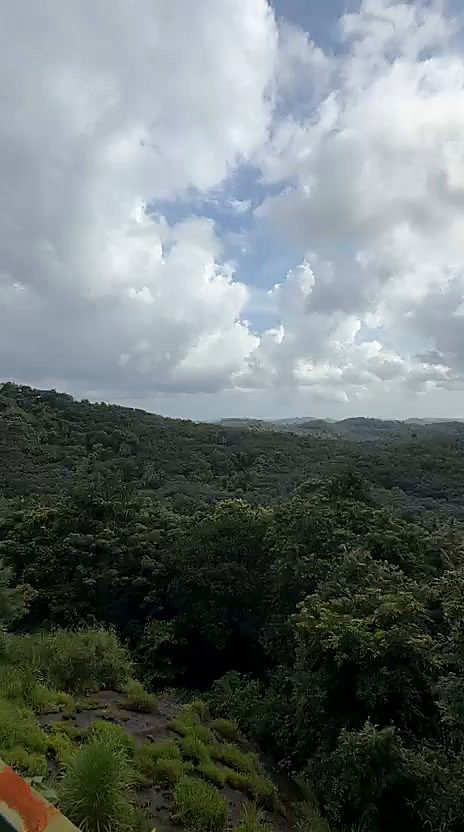
Wayanad and Kozhikode are an easy pair to plan a trip around, but a handful of local quirks — ghat-road timings, sanctuary bookings, and the monsoon calendar — can quietly wreck a schedule if you don't know about them in advance. Here's what's worth checking before you set out, roughly in the order it'll affect your trip.
Night driving through the ghat sections
Check before darkThe best-known restriction in the region is the night traffic ban on NH766, the route that runs from Kerala into Karnataka through the Bandipur and Nagarhole forests — closed to through traffic roughly 9pm to 6am, a rule that's been in force in various forms since the mid-2000s. That's the road you'd take if you're continuing on toward Mysuru or Bandipur, not the Kozhikode side. The Thamarassery ghat itself — the road most people use between Kozhikode and Wayanad — has had its own separate restrictions tied to ongoing road works since early 2026; the exact hours have shifted as work has progressed, so it's worth asking locally or checking recent traveller reports rather than assuming a fixed schedule. Either way, plan to cross before evening rather than after — it's a safer drive in daylight regardless of what's officially in force that week.
Wayanad Wildlife Sanctuary entry
Muthanga & TholpettyIf a jeep safari is on your list, know that the two entry points work differently. Muthanga is mostly walk-in — you turn up, buy a ticket, and join the next available jeep, though it can mean a wait in peak season. Tholpetty has an online booking option, but travellers have reported it's inconsistent, so it's worth calling ahead to confirm rather than relying on the booking site alone. Entry and safari fees are modest but change from time to time and vary by vehicle type and visitor category, so treat any number you've read online as approximate until you're at the counter. The sanctuary is also closed for a stretch through the monsoon, typically June to August — not a good window to plan a safari around at all.
Season: when to actually come
Oct–Feb is peakOctober through February is the classic window — cool mornings, clear views, comfortable trekking weather, and the busiest season for a reason. March to May is warmer and greener before the rains, still workable if you don't mind more heat in the afternoons. June through September is the southwest monsoon: waterfalls are at their most dramatic, but roads, trekking trails, and some sanctuary areas are at their least reliable, so build in slack if you're travelling then.
Monsoon closures and landslide advisories
Worth a same-week checkWayanad's hill terrain means that during heavy monsoon spells, local authorities can and do close specific roads, trekking routes, or tourist sites at short notice — a precaution that's been taken more seriously since the 2024 Chooralmala–Mundakkai landslide, and applied again during heavy-rain spells since. If you're travelling between June and September, it's worth checking the same week (not just the same month) for any active IMD red-alert or district disaster management advisory covering the routes and sites you've planned, and having a flexible backup for that day.
A few smaller things worth a quick check
Practical odds and endsKerala's dry-day rules around alcohol sales have eased in recent years for licensed hotels and resorts, though the specifics can vary by establishment — worth asking directly rather than assuming. Once you're up in the hills, mobile network coverage, ATMs, and fuel stations thin out compared to Kozhikode city, so the usual hill-travel habits apply: carry some cash, fill the tank before the ghat, and don't count on strong signal everywhere.
Based on the Kozhikode side of the ghat
Naz's Farm House sits just off the Kozhikode–Wayanad road at the base of the Thamarassery ghat — so you can start the climb early, cross in daylight, and still have Kozhikode city and the plains a short drive behind you if the hills close in for the day. Whole-property stays from ₹8,500/night.
Check AvailabilityGhat-road timings, sanctuary booking arrangements, and monsoon advisories change without much notice — treat everything above as a starting point, not a fixed schedule, and confirm current status (Kerala Forest Department for sanctuary entry, local police or PWD for road restrictions, IMD/district disaster management for monsoon alerts) close to your travel date. Happy to share what we're hearing locally if you're staying with us — just message us on WhatsApp.